
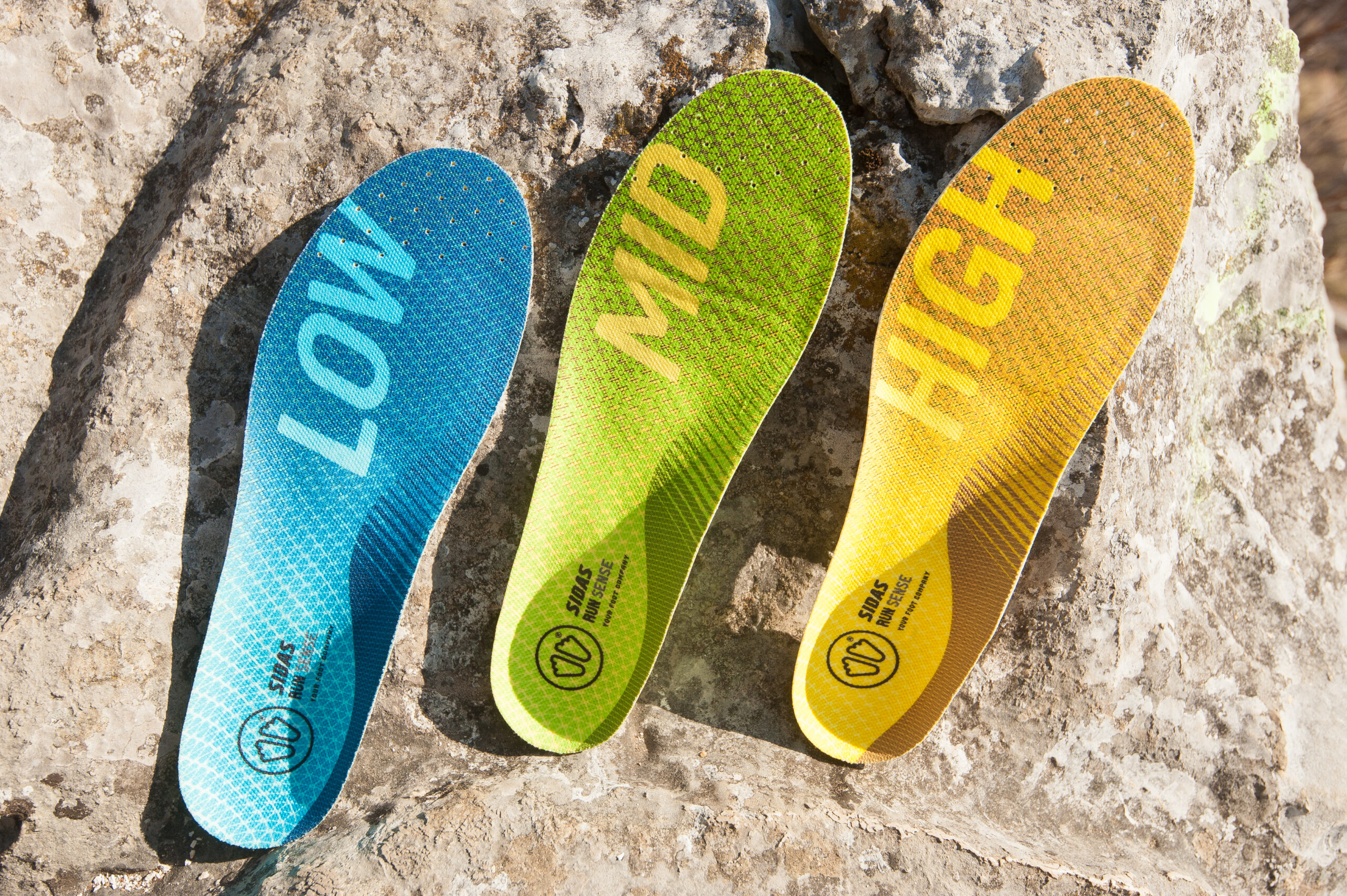
When we talk about comfort in your walking boots or trail running shoes, most people focus on the shoe itself. But one of the most transformative upgrades—especially if you’re on your feet for hours—is swapping out the insole (also known as a footbed). Most shoes come with basic, flat inserts that don’t offer much support. That’s where specialist insoles come in.
I’m Chris from Crib Goch Outdoor, and this blog is all about helping you get more from your footwear with the right insole. I personally prioritise comfort on fast-paced hikes and long hill days—no racing, just solid movement over long distances.

🦶 Why Insoles Matter
Even premium shoes and boots often cut corners on insoles. Why? Because foot shape varies massively, so brands include something average and neutral. But that one-shape-fits-all approach just doesn’t cut it when:
- You have high or low arches
- You’re carrying weight over long distances
- You get heel or forefoot pain
- You experience foot movement, blisters, or fatigue
A good insole helps with:
- Arch support: crucial for alignment and reducing strain.
- Volume control: fills up extra space in roomy footwear.
- Shock absorption: reducing impact on descents or hard terrain.
- Foot stability: reducing lateral movement and improving energy transfer.
🛠️ Types of Insoles We Stock at Crib Goch Outdoor
Here’s a look at the insole range we carry from Sidas and Superfeet, and what they’re best suited for:
| Insole | Arch Support | Best For | Features |
|---|---|---|---|
| Sidas 3Feet Trail (Low/Mid/High) | Specific to arch height | Trail running & hiking | Lightweight, breathable, designed for dynamic movement on varied terrain |
| Sidas 3Feet Outdoor (Low/Mid/High) | Specific to arch height | Hiking & general outdoors | Slightly firmer for all-day comfort, supportive heel cup |
| Sidas 3Feet Activ (Low/High) | Specific to arch height | Active outdoor movement | Responsive foam, ideal for fast hiking or high-output trail use |
| Superfeet Active Cushion (Low/Med/High) | Low to high | All-purpose comfort & support | Cushioned forefoot, structured arch and heel cup for all-day wear |
| Sidas Cushioning Gel | Neutral | Standing/walking, impact relief | Full-length gel layer, great for recovery or work shoes |
| Sidas Volume Reducers (2mm/4mm) | N/A | Adjusting shoe volume or fit | Simple flat inserts to reduce excess volume in footwear |
🔍 How to Choose the Right Arch Support
In-store, we’ve got fancy-looking tools to measure your arch and help you select the right insole for that refined running shoe feel all the pros love. But we’re in North Wales and you might not be—or don’t plan to be anytime soon… why is that?
Whatever your reason, all we really need to know is the shape of your footprint. Here’s how you can check from home:
🦶 The Slate Test (Second Best Method)
Wet (or sweaty) foot on a paving slab—ideally slate (we’ve got a lot of it in Wales). This gives a simple imprint that shows your arch type.
🎨 The Paint Method (Third Best)
Dip your foot in paint or ink and step on a sheet of paper. We don’t recommend this—it’s messy and may cause irritation—but it works if you’re desperate.
Any hard surface that shows your foot shape would suffice, but it must be a hard surface, if your foot sinks into the ground like sand or cement you don’t get the shape we’re looking for.
🔍 What the Imprints Mean:
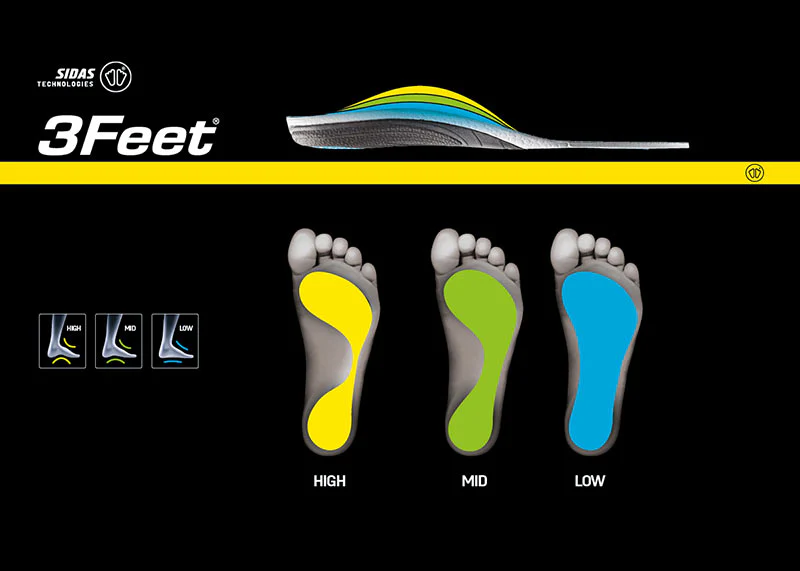
- High arch off the ground even when standing = High Arch
- Arch appears when seated or light gap when standing = Mid/Medium Arch
- Flat/Full footprint when sitting or standing = Low Arch
If you’re still unsure, consider symptoms: arch or heel pain? Foot fatigue on long days? These can point to inadequate support.
⚠️ If you’re in pain regularly or have specific foot issues, we recommend seeing a podiatrist. But for everyday comfort and better-fitting shoes, identifying your arch type is the best first step.
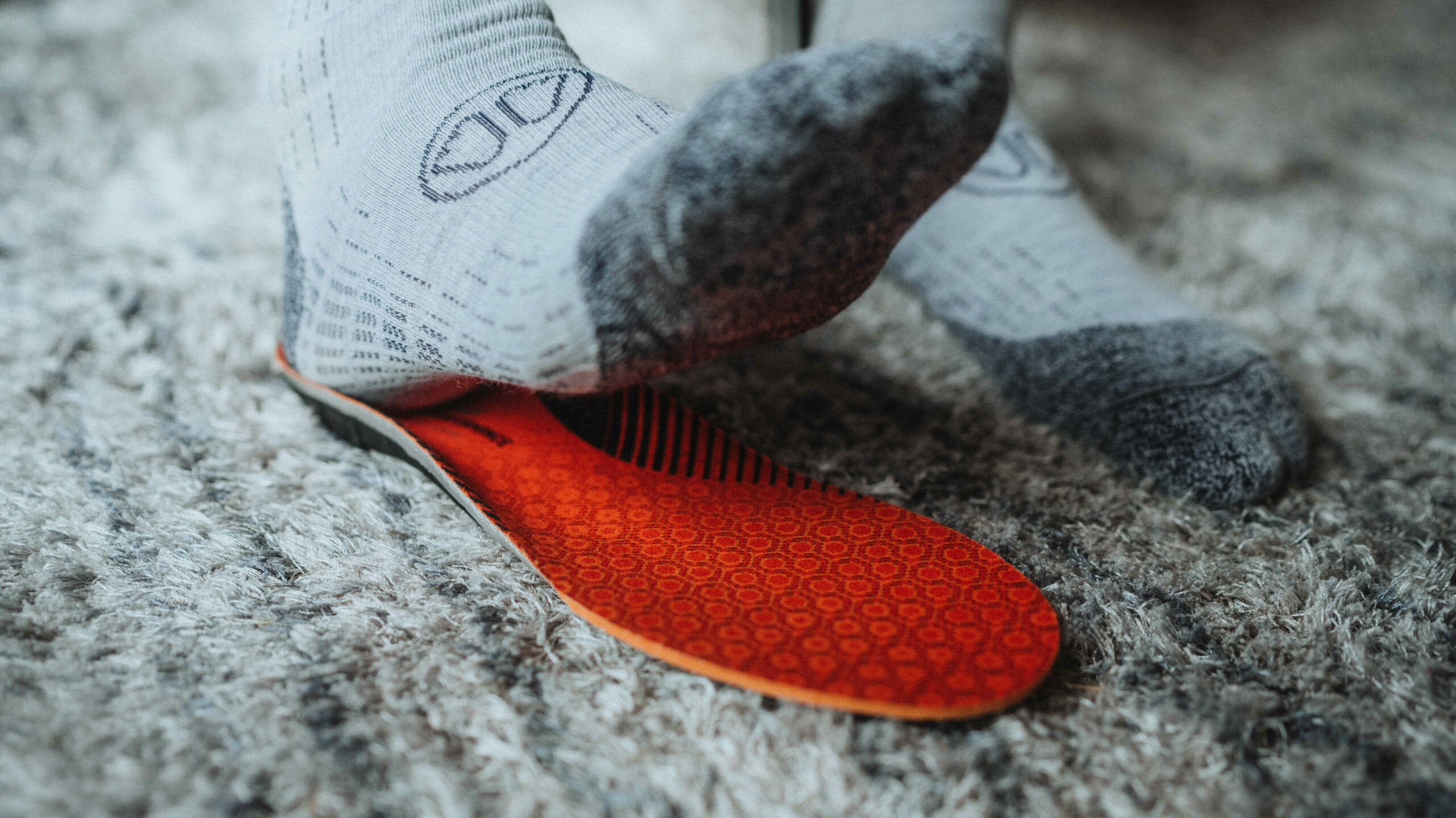
🧩 How to Fit Your Insole
Once your new footbeds arrive, here’s how to get the best fit:
- Remove your existing insoles from the shoe. Most are just placed in and should lift out easily.
- Compare lengths. Place your new insole over the original—if it’s longer, you can trim it slightly from the toe area using sharp scissors. Use the original as a template.
- Test the fit inside your shoe before trimming further. The insole should lie flat without buckling.
- Try them out indoors first. Wear the shoes for a short walk around the house to check for hotspots or pressure. New support may feel different—give it a day or two of break-in time.
- Adjust volume if needed. If the fit feels too snug, consider removing extra footbeds (if layered) or using a thinner sock. If it feels loose, a volume reducer (2mm or 4mm) under the footbed can help.
- Check alignment. Your heel should sit in the heel cup securely and not ride up or shift.
🧭 Chris’ Pick: Comfort Over Speed
My personal priority is comfort. I like moving fast in the hills, but I’m not racing. I’m out to enjoy the terrain, the quiet, the challenge—not shave seconds off a time. That means I want footwear that supports me over the long haul without distractions like foot fatigue, hotspots, or crampy arches.
I’ve tried a few different insoles over the years, but what I keep coming back to is the Superfeet Active Cushion Medium.
🟩 Why Superfeet Active Cushion Medium?
- Medium Arch Support: I’ve got a fairly average arch—not flat, not overly high. These give me the right amount of structure without feeling intrusive or rigid underfoot.
- Balanced Cushioning: There’s enough padding to soften the blow over long distances, especially on rocky or hard-packed trails, but it’s not spongy. That balance means I still feel agile and connected to the ground.
- Durable Shape Retention: Unlike some softer insoles I’ve tried that flatten out quickly, these hold their shape and support for months. I’ve used them in trail runners, mid boots, and even a pair of lightweight approach shoes.
- Heel Stability: The sculpted heel cup really helps minimise lateral movement, which is something I value on uneven descents or when side-hilling with a pack.
🥾 My Typical Use
- Long hill days in Eryri, often 15–25km with varied terrain and a bit of scrambling thrown in.
- Lightweight boots or sturdy trail runners (Altra Lone Peak or Inov8 TrailFly).
- I don’t carry much—just the essentials—but my pace is constant, and I’m on my feet a lot.
If you’re like me—out there for the love of movement, not medals—and want a long-day solution that balances comfort with just enough structure, Superfeet Active Cushion Medium is well worth a try.
Final Thoughts about your Feet!
If you’re unsure which insole is right for you, pop into Crib Goch Outdoor. We can help you identify your arch type, try different insoles in your current footwear, and talk about what you need them to do—support, cushion, adjust volume, or all of the above.
Every step counts—might as well make it a comfortable one.
-Chris, Crib Goch Outdoor Team & Rambler.
Need help with your next pair of Trail Running shoes, have a read of this blog post The Best Trail Running Shoes for Eryri (Snowdonia) in 2025


