Staying Dry Isn’t Just About Waterproofing
Buying your first waterproof jacket? You’ve probably come across a flood of jargon—hydrostatic head, membranes, reproofing, breathability. It’s a lot. At Crib Goch Outdoor, we help cut through the noise and focus on how jackets perform in real weather—especially here in Eryri (Snowdonia), where it can go from sunshine to sideways rain in minutes.
The truth? Waterproofing isn’t just about numbers. A jacket might ace lab tests, but if it traps sweat or can’t manage moisture, you’ll still end up wet—and cold.
So let’s look past the specs. Here’s how the top waterproof brands we stock perform in the real world, and what to consider before buying your first technical jacket.
💧What Is Waterproof, Anyway?
Brands use the hydrostatic head—a measure (in mm) of how much water a fabric can withstand—to rate waterproofing. While 1,500mm is technically waterproof, many brands use 10,000mm or more as a benchmark. Helpful, but not the full picture.
Other key factors:
- Breathability: Does it let sweat escape?
- Durability: Can it handle regular use?
- Ease of Care: Does it need frequent reproofing?
- Comfort: Is it stiff, soft, noisy? Good for layering?
- Real-World Performance: How does it handle UK wind, drizzle, and sudden shifts?
If you’d like to dig a little deeper into Hydrostatic Head this may interest you Hydrostatic Head: Waterproof Tents & Jackets Here is What You Need to Know
🌧️ Rethinking Waterproof: Beyond the Numbers
Big hydrostatic head ratings (like 20,000mm) can look great—but don’t guarantee comfort. In places like Eryri, moisture management matters more than sheer resistance.
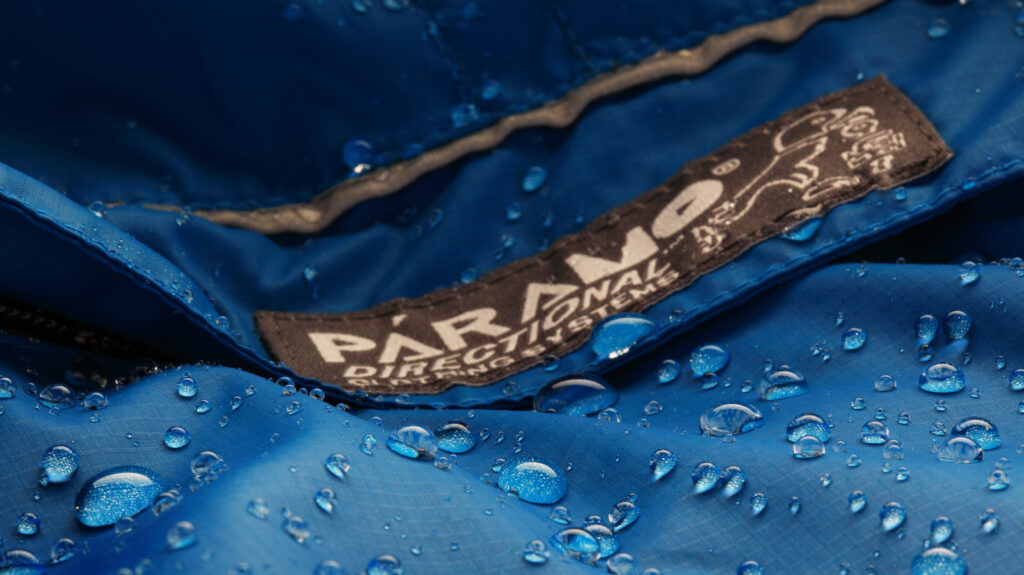
That’s where systems like Paramo’s directional waterproofing come in. Unlike high-rated membranes that can trap sweat, directional fabrics move moisture away from your body—keeping you drier inside, even if the outside’s soaked.
With brands moving toward PFAS-free membranes and eco-friendly DWR coatings, reproofing more often is becoming the norm. But that trade-off means less environmental impact—which matters to us and our customers.
So yes, membranes still have their place, especially for extreme conditions. But comfort, breathability, and sustainability are just as important. It’s worth thinking beyond the label—and into how the jacket actually performs.lity are now equally important. That’s why it’s worth thinking beyond the label and into the real-world use case of your jacket.
Jacket Brands we Trust to Keep you Warm & Dry
🟣 Paramo – Soft, Quiet & Perfect for Eryri’s Damp Climate
How it works: Paramo uses a unique system (not a membrane) that actively pumps moisture away from your body using something called Nikwax Analogy fabric. It mimics animal fur to move water.
Pros:
- Outstanding in cold, wet UK conditions
- Doesn’t “wet out” like some membrane jackets
- Very breathable without needing pit zips
- Long-lasting if cared for properly
Cons:
- Heavier than typical hard shells
- Not ideal for fast, sweaty summer use
- Needs regular washing and reproofing to stay effective
Best for: Year-round UK use, especially walking, hiking, and lower-tempo mountain days.
⚫️ Keela – Great Value with Military Toughness
How it works: Keela uses its System Dual Protection (SDP)—a waterproof outer with a wicking layer that pulls sweat away.
Pros:
- Excellent in harsh, wet conditions
- Durable and used by emergency services and mountain rescue
- Less expensive than premium membrane jackets
Cons:
- Less breathable than top-end jackets
- Can be warm for summer use
Best for: All-season
🟢 Buffalo – No Layers Needed, Built for Cold & Wet
How it works: Buffalo combines a water-resistant outer with a high-wicking pile lining. It doesn’t use a waterproof membrane—you wear it next to your skin, not over a base layer.
Pros:
- Incredibly warm when wet
- Minimal layering needed
- Simple and reliable in winter
Cons:
- Too warm for mild conditions
- Not adjustable for layering
- Not fully waterproof in the membrane sense
Best for: Winter walking, cold rainy days, and simple systems. A favourite of mountain professionals.
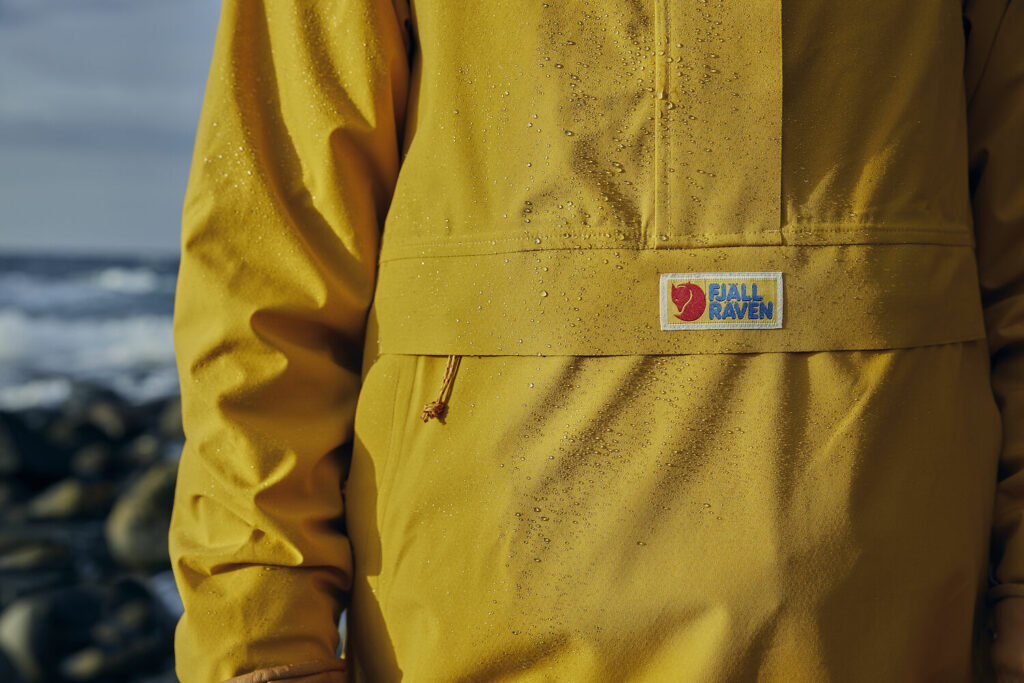
🔴 Fjällräven – Waxed Fabrics, Heritage Style, Superb Longevity
How it works: Fjällräven jackets use G-1000—a tightly woven fabric that you wax with Greenland Wax to adjust its water resistance and breathability.
Pros:
- Hard-wearing and long-lasting
- Customisable waterproofing
- Ideal for multi-day treks and bushcraft
Cons:
- Not waterproof out of the box
- Needs maintenance with wax
- Heavier and more casual fit
Best for: Trekking, travel, woodland walking, and those who value durability and classic aesthetics.
🟠 Sprayway – Traditional Gore-Tex Performance at a Fair Price
How it works: Sprayway use Gore-Tex and their own hydrostatic-rated membranes for classic waterproof performance.
Pros:
- Lightweight and familiar feel
- Good mix of features and packability
- Affordable for Gore-Tex gear
Cons:
- May need layering for warmth
- Still subject to membrane “wetting out” if not maintained
Best for: Everyday walking, travel, and general outdoor use with a classic waterproof design.
🧥 Waterproof Jacket Staff Picks & Why
| Brand | Product | Best For | Why We Like It |
|---|---|---|---|
| Paramo | Velez Adventure Smock | All-season UK hiking, especially Eryri | Breathable, soft, and weatherproof in damp, changeable conditions. |
| Keela | Munro Jacket | Winter use, foul weather, mountain rescue-level protection | Rugged, warm, with military-grade durability and solid storm features. |
| Buffalo | Mountain Shirt | Winter walking, scrambling, cold-weather days | Worn next to skin, warm even when wet—ideal for minimal layering. |
| Fjällräven | Keb Eco-Shell Jacket | Multi-day treks, travel, and sustainable mountain performance | Quiet, breathable shell with eco credentials and comfort on long adventures. |
| Sprayway | Torridon Jacket | Entry-level walking, UK rain, general outdoor use | Gore-Tex protection at a good price—dependable for new hillwalkers. |
Jacket Care: Why Reproofing Matters More Than Ever
Many jackets, especially those using membranes like Gore-Tex, rely on a DWR (Durable Water Repellent) coating. Over time, this wears off and the jacket starts to soak up water, even if it doesn’t leak. This is called “wetting out” and it kills breathability.
With new eco-friendly fabric treatments, we’re seeing:
- Shorter-lasting DWR coatings (less harmful, but need reapplying more often)
- The need for regular washing and reproofing (we recommend Nikwax products)
- Better education around jacket care—because a well-maintained jacket performs far better (it’s not all about keeping the rain water out!)
We’ll always help you with care products in-store and show you how to wash and reproof your gear properly.
What About Layering?
Not all jackets are designed the same way:
- Buffalo jackets are worn next to skin—you don’t need a mid-layer.
- Paramo and Keela can be warm, so you may not need much underneath.
- Sprayway and Fjällräven often need a base and mid-layer to stay warm.
Think about:
- How cold it gets where you walk
- Whether you run hot or cold
- If you want one jacket for everything or separate summer/winter gear
Final Thoughts: Ask the Right Questions
When customers come into Crib Goch Outdoor, we don’t just point at the “most waterproof” jacket—we ask questions:
- Where are you walking or running?
- What time of year and how cold or wet will it be?
- How much effort will you be putting in (Walking/Running/Carrying a Heavy Rucksack)?
- Are you OK with doing a bit of maintenance (like reproofing)?
From there, we recommend something that will keep you comfortable, dry, and able to enjoy your time outdoors.
If you’re unsure, pop into the shop, give us a call or send us an email…. Contact us! We’ll get you into a jacket that suits your adventures—not just the label.