
Updated: September 2025
When shopping for running shoes, one of the key decisions you’ll face is whether to go for non-waterproof or waterproof running shoes. What are your options?
While waterproof running shoes promise protection against wet conditions, they may not always be the best choice. Let’s break it down to help you decide.
What Are the Advantages of Waterproof Running Shoes?
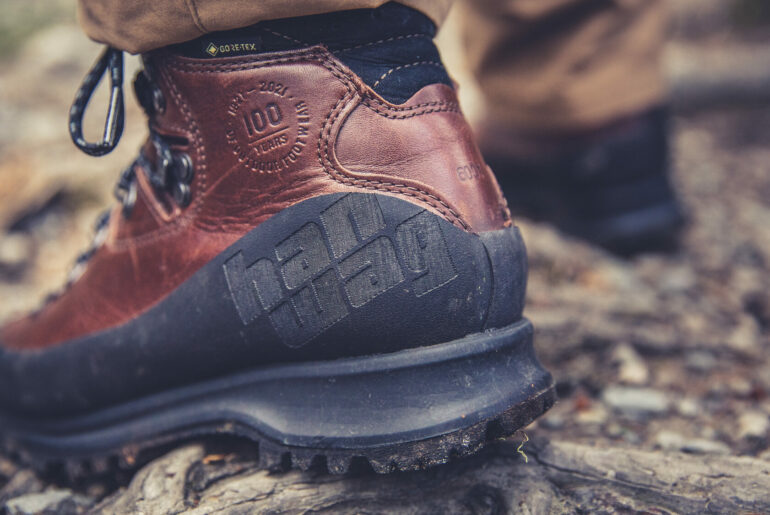
Waterproof running shoes, often made with GoreTex or similar materials, are designed to keep water out. This makes them ideal for specific scenarios like:
- Running in snow or slush during winter.
- Occasional light rain, where the waterproofing keeps feet dry.
If your runs take place in these controlled conditions, waterproof shoes might seem like a good investment.
When Should You Avoid Waterproof Shoes?
For most runners, the drawbacks of waterproof shoes outweigh the benefits:
- Waterproof In, Waterproof Out: Once water gets inside—whether from sweat, water crossings, or heavy rain—it stays trapped, creating a squishy, uncomfortable environment. In such cases, non-waterproof shoes that drain and dry quickly are often the better option.
- Overheating: Waterproof shoes are less breathable, leading to sweaty feet, even in cool weather.

| Feature | Waterproof Shoes | Non-Waterproof Shoes |
| Dryness | Excellent in light rain or slush | Dries quickly after water exposure |
| Breathability | Often lower due to membrane | High – better for warm or humid conditions |
| Weight & Flexibility | Slightly heavier / stiffer | Lighter and more flexible |
| Best Use Case | Cold, wet runs (e.g. snowy, winter trails) | Warm, humid climates; deep crossings |
Why Non-Waterproof Running Shoes Are Favoured
Experienced runners and outdoor enthusiasts often prefer non-waterproof shoes for their:
- Breathability: Keeps feet cool and reduces sweat build-up.
- Better Drainage: Allows water to flow out easily, making them ideal for trails with creek crossings or muddy paths.
- Versatility: They perform well in various weather conditions, especially when paired with the right socks.
Many runners swear by wool socks, such as Smartwool, for moisture regulation and blister prevention. Wool keeps your feet warm in winter, cool in summer, and performs well when wet.
How to Choose Between Waterproof and Non-Waterproof Running Shoes?
If you’re tackling winter snow, waterproof running shoes may have a place in your gear. However, for the majority of running scenarios—especially trails with creek crossings or muddy paths—non-waterproof shoes paired with quality wool socks are the superior choice.
At Crib Goch Outdoor, we recommend considering the specific terrain, climate, and your personal running habits when making your decision. Waterproof shoes might sound appealing, but for most runners, breathability, quick drainage, and overall comfort win every time.
Conclusion
The next time you’re gearing up for a run, remember that the best running shoes are those that suit your environment and keep your feet comfortable. If in doubt, visit Crib Goch Outdoor for expert advice on the right footwear for your running adventures.
You may be interested to read more about Altra’s Zero Drop here Discover the pros and cons of waterproof running shoes. And why a wider toe box may elevate your running potential here Altra Wide Toe Box Technology is a Revolution for Foot Health.