Updated: September 2025 – All advice is based on our team’s testing on local roads, trails, and paths around Snowdonia.
Running is a deeply personal experience. Every runner has their own unique preferences and needs – among the myriad of choices available, how do you know what to choose?
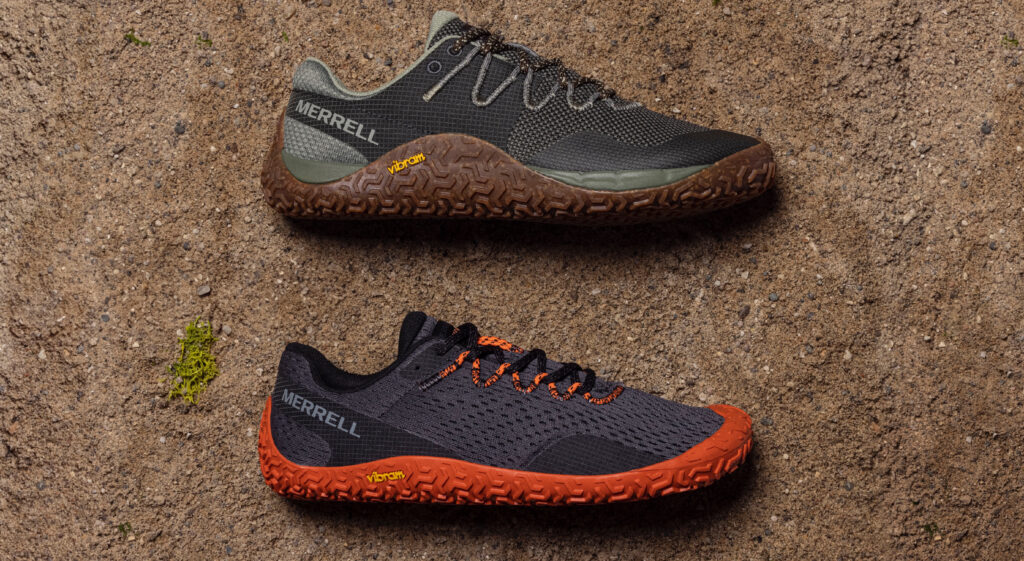
Merrell minimalist running shoes (also known as barefoot running shoes) have gained a big following. Whether you’re a seasoned marathoner or just getting started, understanding the concept and benefits of minimalist footwear can help you make an informed decision.
This guide aims to introduce you to minimalist and barefoot running shoes, explore their advantages, and provide tips for transitioning from traditional running shoes.
What are minimalist running shoes?
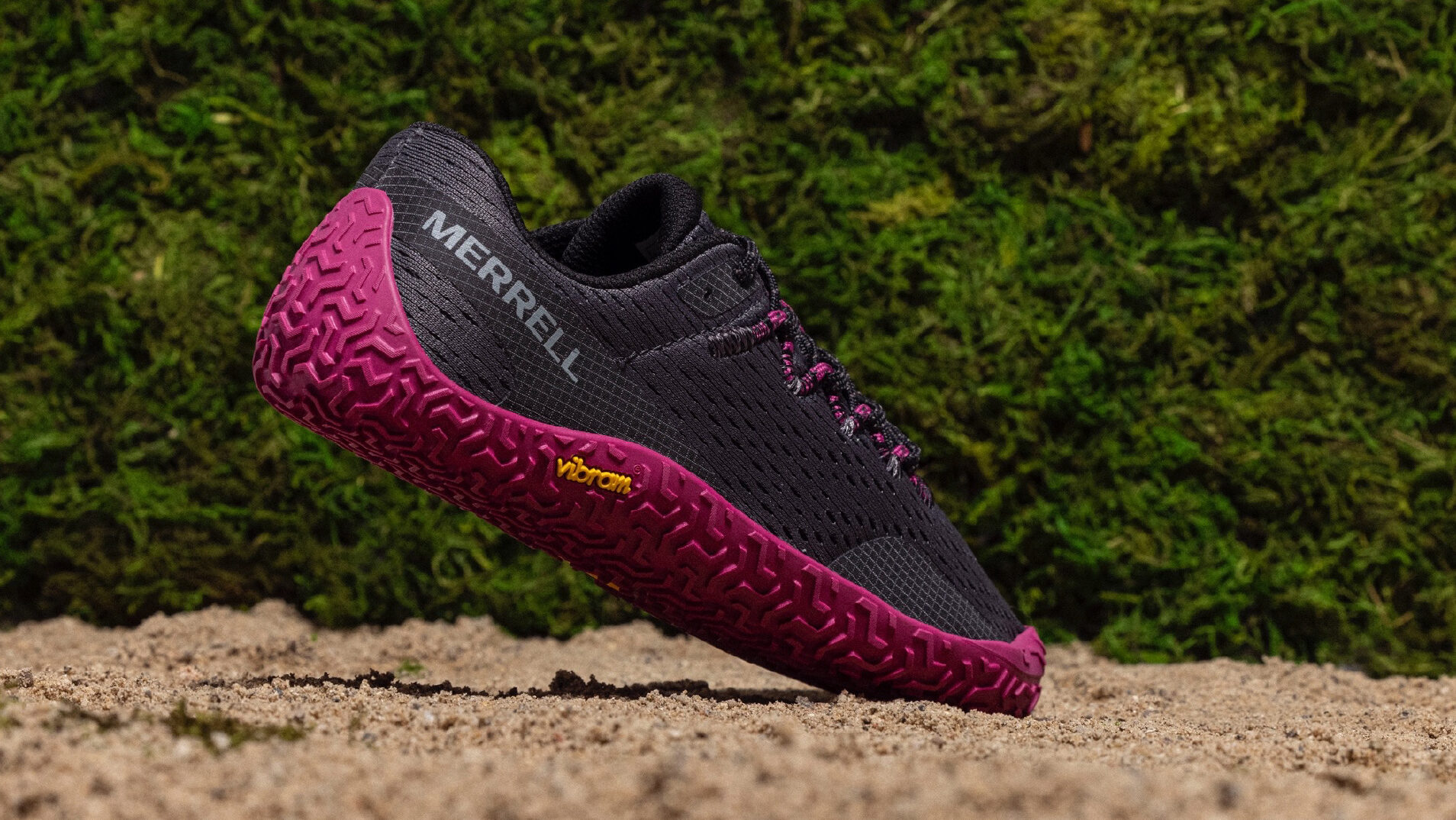
Minimalist running shoes mimic barefoot biomechanics with reduced cushioning and a low (≤8 mm) or zero drop between heel and forefoot. This design promotes a natural gait while still offering ground protection.
Unlike traditional running shoes, which often feature significant cushioning and a pronounced heel-to-toe drop (usually around 10-12 millimetres), minimalist shoes typically have less than an 8-millimeter drop. Some even have no drop at all, known as “zero-drop” shoes, keeping your heel and forefoot at the same level as they would be when barefoot.
What are the benefits of minimalist running shoes?
| Benefits | Description |
| Natural Gait | Promotes mid / forefoot strike, reducing joint impact |
| Better Ground Feel | Thin soles increase proprioception and responsiveness |
| Lightweight | Less material reduces fatigue on long runs |
| Stronger Foot Muscles | Encourages foot and lower leg muscle engagement |
In summary, minimalist shoes encourage a low-impact, midfoot or forefoot strike, which can reduce the stress on your joints and lower legs. The thin cushioning allows for better proprioception, enhancing your body’s ability to fine-tune its mechanics and respond to terrain changes.
With less material and cushioning, minimalist shoes are lighter, which can reduce fatigue over long distances. Wearing minimalist shoes can help strengthen the muscles in your feet and lower legs, potentially improving overall foot health.
How do I choose the right minimalist running shoe?
When selecting minimalist running shoes, consider the following factors:
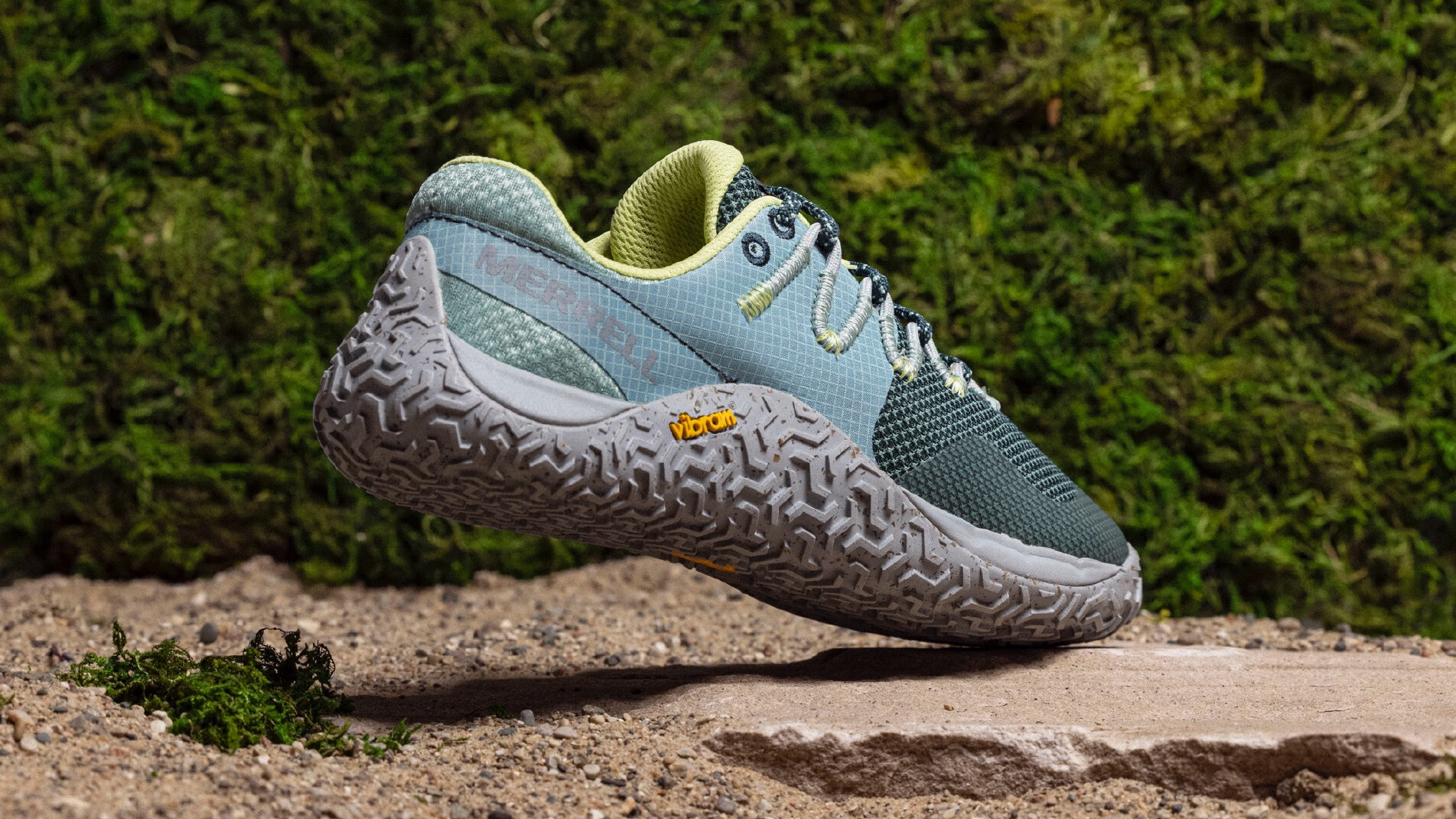
- Surface: Decide whether you’ll be running on roads or trails. Trail running shoes offer more traction and protection, while road running shoes provide better stability.
- Cushioning Level: Choose between barefoot shoes, which have minimal cushioning, and minimally cushioned shoes, which offer slightly more padding.
- Fit: Ensure the shoes fit well from the start. Barefoot shoes should fit snugly like a glove, especially in the toes, while minimalist shoes should have enough room in the toe box for your feet to spread naturally.
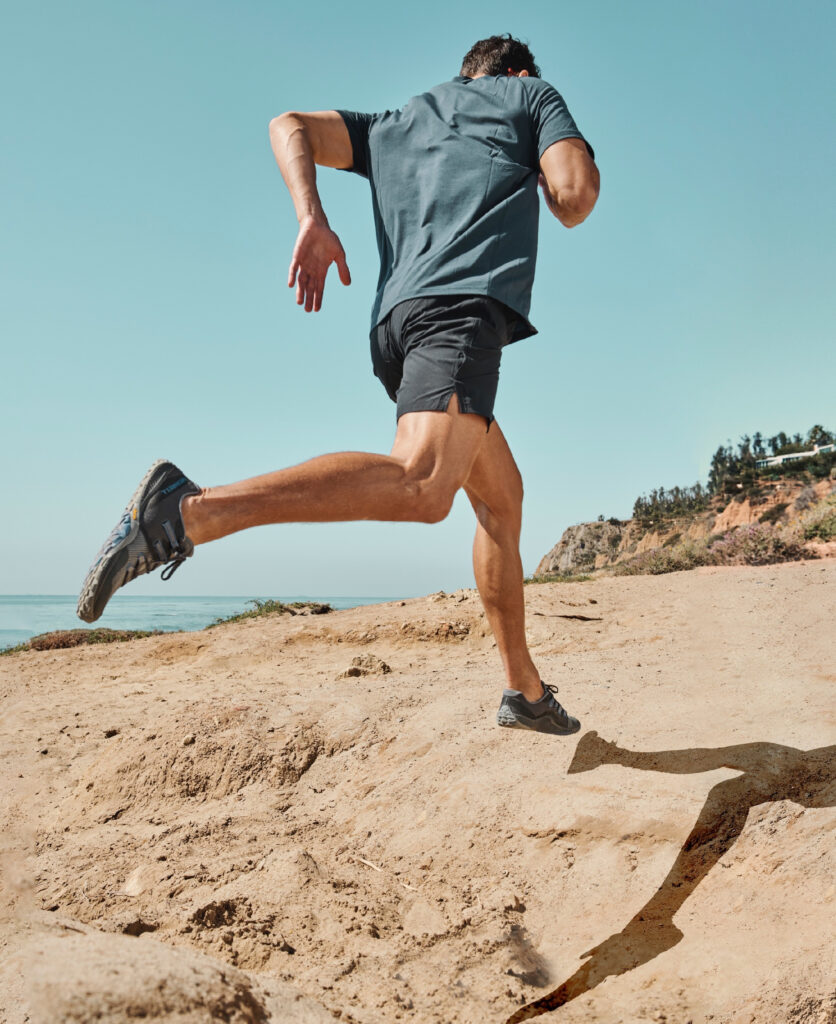
How do I transition safely to minimalist running shoes?
Switching to minimalist shoes requires a gradual transition to avoid injury:
- Start Slow: Begin by wearing your new shoes for short walks or during daily activities.
- Gradual Increase: Slowly increase the duration and intensity of your runs in minimalist shoes. Follow the 10% rule—don’t increase your mileage by more than 10% per week.
- Focus on Form: Practice a midfoot or forefoot strike, avoid overstriding, and maintain a quick cadence.
- Strength and Stretch: Incorporate exercises to strengthen your feet and lower legs, and regularly stretch your calves and Achilles tendons.
What are the challenges with minimalist running shoes?
While minimalist shoes offer many benefits, they may not be suitable for everyone. Runners with conditions like plantar fasciitis, tendinitis, flat feet, or certain structural issues might find minimalist shoes uncomfortable or even harmful. Always consult with a healthcare professional before making significant changes to your footwear.
Minimalist running shoes FAQs
Are minimalist running shoes good for road running?
Yes, they offer improved ground feel and reduced weight, which can enhance natural mechanics on hard pavement.
How long does it take to get used to minimalist shoes?
Typically 4-6 weeks. Begin with short walks, then gradually increase running distance using the 10% rule to allow muscle and tendon adaptation.
Can minimalist shoes prevent injury?
They may reduce joint impact through a natural gait, but should be introduced gradually. Runners with specific conditions (e.g. plantar fasciitis) should seek professional advice.
Should I get minimalist running shoes?
Minimalist running shoes encourage a more natural gait, improve ground feel, and help strengthen your feet – but only if you make the transition gradually. By easing in with shorter runs, you can enjoy the benefits while lowering your risk of injury.
Key Takeaways:
- Encourages natural running form
- Boosts balance and sensory feedback
- Strengthens foot and leg muscles
- Lightweight, making running feel freer and faster
At Crib Goch Outdoor, our team has tested minimalist shoes across road and trail runs in North Wales, so we can recommend the right fit for you. Explore our collection of barefoot and minimalist running shoes and take your first step toward a lighter, more connected running experience.