
Birdwatching is a rewarding hobby that brings you closer to nature, allowing you to observe the beauty and behavior of birds in their natural habitats. Whether you’re a seasoned birdwatcher or just starting out, having the right pair of birdwatching binoculars can make all the difference in your experience. But with so many options available, how do you choose the perfect pair? This buyer’s guide will help you navigate through the key factors to consider, ensuring you pick the ideal binoculars for birdwatching.
Understanding Birdwatching Binocular Specifications
Before diving into specific recommendations, it’s crucial to understand the basic specifications of binoculars. Viking Binoculars offer a range of options tailored to various outdoor activities, but the following specs are particularly important for birdwatching:
- Magnification: This number tells you how much closer the object will appear compared to the naked eye. For birdwatching, binoculars with 8x or 10x magnification are generally ideal, offering a good balance between a close-up view and a stable image.
- Objective Lens Diameter: Measured in millimeters, this is the size of the front lens. A larger objective lens allows more light to enter, resulting in brighter images. For birdwatching, an objective lens diameter between 42mm and 50mm is recommended, as it provides enough light for clear viewing in various lighting conditions.
- Field of View (FOV): This is the width of the area visible through the binoculars at a specific distance. A wider FOV is advantageous in birdwatching as it allows you to track birds in flight more easily and observe more of the surrounding environment.
- Exit Pupil: The exit pupil is the size of the focused light beam that leaves the eyepiece. A larger exit pupil offers brighter images, which is especially beneficial in low-light conditions, such as early morning or late evening birdwatching.
- Eye Relief: Eye relief refers to the distance between the eyepiece lens and your eye when the entire field of view is visible. This is particularly important for eyeglass wearers, as longer eye relief ensures a comfortable viewing experience without straining your eyes.
Choosing the Right Magnification and Objective Lens Diameter
The right combination of magnification and objective lens diameter is essential for an optimal birdwatching experience:
- 8×42 or 10×42: These are the most popular configurations for birdwatching. They offer a good balance between magnification and brightness, making them versatile for different environments, from dense forests to open fields.
- 10×50: If you prefer higher magnification and often birdwatch in open areas with plenty of light, this configuration might be the best choice. The larger objective lens gathers more light, ensuring clear, bright images even at 10x magnification.
Additional Features to Consider
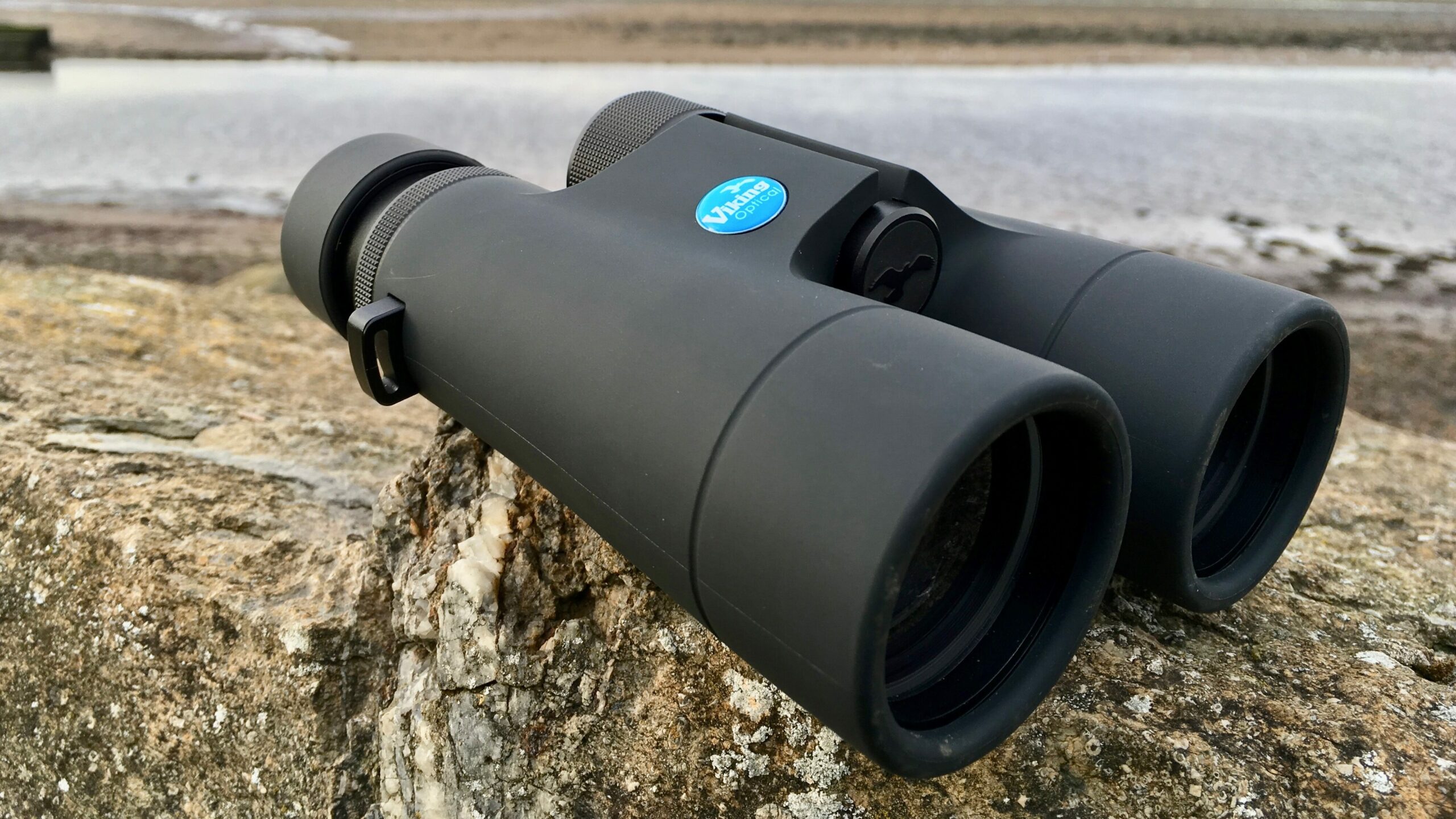
Beyond the basic specifications, there are additional features that can enhance your birdwatching experience:
- Waterproof and Fog-proof: These features are essential for durability and reliability in various weather conditions. Waterproofing protects your binoculars from moisture, while fog-proofing prevents the internal lenses from fogging up in humid or cold environments.
- Image Stabilization: If you opt for higher magnification, image stabilization can be incredibly useful. It helps reduce hand shake, providing a steadier view, especially when observing distant birds.
- Close Focusing Capability: Some birds, like hummingbirds, might come quite close. Binoculars with a good close focusing distance allow you to observe nearby birds in sharp detail.
- Comfort Features: Look for twist-up eyecups, adjustable diopters, and padded neck straps. These features ensure that your binoculars are comfortable to use, even during extended birdwatching sessions.
Conclusion
Investing in a good pair of binoculars, like those offered by Viking Binoculars, can significantly enhance your birdwatching adventures. By understanding the key specifications and matching them to your needs, you can choose binoculars that provide clear, crisp images and a comfortable viewing experience. Whether you’re watching birds in your garden or exploring remote wildlife reserves, the right binoculars will make every sighting more memorable.
So, take your time, consider your options, and pick the perfect pair of binoculars to bring your birdwatching experience to life!
If you can’t decide between Binoculars and Monoculars read our handy guide here or if you’re looking for your first pair of binoculars this guide will help.